


Key Takeaways
- Clear aligners move teeth. Retainers hold them in place.
- Aligners are used during active treatment.
- Retainers are used after treatment to prevent shifting.
- Skipping retainers can undo months of progress.
- Replacing retainers regularly protects long-term results.
They look almost identical. Clear trays. Custom fit. Barely noticeable.
When people search aligners vs retainers, they’re usually trying to understand whether these appliances do the same job.
They don’t.
Understanding the difference between aligners and retainers is one of the most important parts of protecting your smile long term.
What This Blog Covers
- The difference between aligners and retainers
- When to use clear aligners
- What happens after aligner treatment completion
- Why relapse prevention matters
- How FXRetainers™ support long-term stability
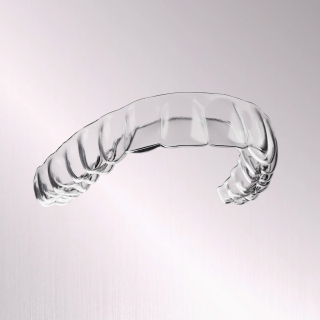
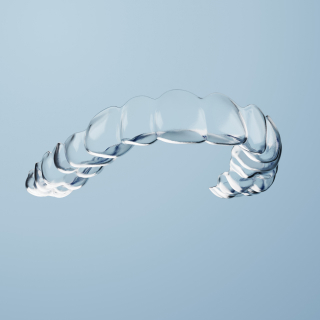
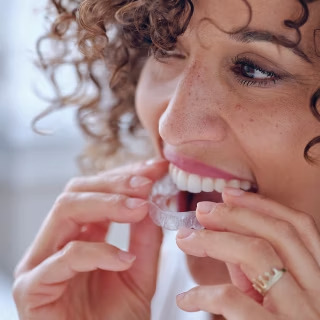
Clear aligners are used for active tooth movement during orthodontic treatment. Retainers are used after treatment to maintain tooth alignment and provide post-treatment stability. While both are removable orthodontic appliances, their purpose and timing are different.
Aligners Create the Change. Retainers Protect the Result.
Clear aligners are designed for active tooth movement. They apply controlled pressure that gradually shifts your teeth into new positions. Every new set continues the movement. This is the “change” phase of orthodontic treatment.
Once treatment is complete, retainers take over.
By this stage, you’ve already made a real investment in your smile in terms of your time, consistency, and commitment. Retainers are what protect that investment. Their role is to hold teeth in their new position and prevent them from shifting back as the surrounding bone and tissues stabilize.
Think of retainers as what protects the result you worked toward throughout treatment. Aligners create the transformation. Retainers help make sure it lasts.
Why Do You Need Retainers After Aligners?
Once teeth are straight, your teeth need time to adapt to their new position. The bone and ligaments around your teeth need time to stabilize. Without support, teeth naturally drift. This is called relapse. It happens slowly, but it is inevitable.
That’s why retainers after braces or aligners aren’t optional. They’re part of the treatment. Retainers maintain tooth alignment, especially while your body settles into its new structure. Skipping this step is one of the most common reasons people end up needing treatment again.
So, When Do You Use Each One?
You use clear aligners when:
- Teeth are crowded or spaced
- Your bite needs correction
- You’re in the active treatment phase
- Teeth still need to move
You use retainers when:
- Alignment is complete
- You want post-treatment stability
- You’re protecting your investment
- You’re preventing relapse
This isn’t aligners vs retainers as a competition. It’s two phases of the same process.
Do Retainers Last Forever?
No. And this surprises a lot of people.
Retainers wear down over time. They lose precision. They can warp. They can harbor bacteria if not replaced.
Most patients are advised to replace retainers every six months. Just like a toothbrush, they need regular renewal to stay effective and hygienic.
A loose retainer doesn’t protect alignment properly. And small shifts add up.
Long-term alignment support requires maintenance.
FXRetainers™: Built for the Long Game
After treatment with OrthoFX clear aligners, FXRetainers™ are designed to maintain your results comfortably and securely.
They’re made to:
- Fit precisely
- Support stability
- Protect your dream smile
FXRetainers can also be made with the FXBright™ material, which gives teeth a naturally whiter appearance while worn. It’s a subtle touch that keeps your smile fresh, even during the retention phase.
Retention isn’t glamorous. But it’s what makes your results last.
FAQs Section
Q. Are aligners and retainers the same? A. No. Aligners create active tooth movement to straighten teeth. Retainers are used after treatment to hold teeth in place and prevent them from shifting back.
Q. When do I switch to retainers? A. Once your orthodontist confirms alignment is complete, you move into the retention phase, where the focus shifts from movement to stability.
Q. How long do I need to wear retainers after my treatment? A. Most patients wear retainers full-time for about 3–6 months after treatment, then transition to nighttime wear or as prescribed by your doctor.* Long term, wearing them at night is typically recommended indefinitely to maintain alignment and prevent shifting.
Q. Why do I need to change retainers? A. Retainers wear down over time and can lose their ability to hold teeth properly. Replacing them regularly helps maintain fit, hygiene, and stability.
Q. Can retainers move teeth if they shift? A. Retainers are designed to maintain position, not correct significant movement. If teeth shift noticeably, additional aligner treatment may be required.
Finished straightening your teeth? Protect your results. Ask your doctor about FXRetainers™ and keep your smile aligned for the long term.
The Bottom Line
Clear aligners are what transform your smile. Retainers are what protect that transformation.
Months of active tooth movement can be undone by months of inconsistency afterward. Teeth don’t “lock” into place just because treatment ends. They stay aligned because you support them.
Retention isn’t an afterthought. It’s the final phase of orthodontic treatment. The phase that determines whether your results last five years or twenty.
If aligners are the investment, retainers are the insurance.
Footnotes *https://my.clevelandclinic.org/health/treatments/10899-teeth-retainer


