




Key Takeaways
- At-home kits may offer limited cosmetic changes but lack consistent control
- Orthodontic treatment requires planning, monitoring, and adjustments over time
- Without supervision, risks like bite issues and uneven results increase
- Professional aligners focus on long-term stability, not just appearance
- OrthoFX’s FXClear™ Aligners combines comfort with a guided treatment approach
- OrthoFX’s FXOnTrack™ Remote Monitoring app allows progress to be monitored without frequent clinic visits
At-home teeth straightening feels like a shortcut that makes sense. No appointments, no waiting rooms, just a box delivered to your door and a plan you follow on your own.
But every patient is different, and that’s where a doctor comes in. Orthodontic care goes beyond cosmetic improvement alone. It’s a doctor-guided process that involves diagnosing current and potential issues, developing a treatment plan, monitoring progress, and making adjustments along the way.
So when people ask whether at home teeth straightening kits are effective, the real answer depends on what kind of result they expect and how safely they want to get there.
What This Blog Covers
- Whether at home teeth straightening kits are effective
- What affects clear aligner treatment outcomes
- The difference between guided and unguided treatment
- Where risks come in without supervision
- How professional systems like FXClear approach treatment differently
At-home teeth straightening kits can produce minor cosmetic changes in limited cases. However, without professional oversight, results are less predictable and may carry risks. Dentist-guided aligner treatment offers better control, monitoring, and long-term stability.
Teeth Straightening Goes Beyond a Beautiful Smile
Searches around at-home teeth straightening results usually focus on what’s visible. Slight crowding improves, photos look better, and it creates the impression that the treatment is working.
But most at-home aligners are designed to move only the front teeth, the ones you see when you smile. What they often don’t account for is how your bite functions or how all your teeth work together.
Teeth straightening isn’t just about appearance. It’s about how your upper and lower teeth fit together, how pressure is distributed when you bite, and whether those changes will hold over time.
That’s where the limitations of at-home treatment start to show. Without full-arch planning, results can look better in the mirror but still fall short in function and long-term stability.
What At-Home Kits Miss (and Why Supervision Matters)?
At-home kits are typically built on limited inputs, often just impressions or photos, without detailed diagnostics like X-rays or full clinical evaluation.
That means underlying issues may go undetected, and once treatment begins, there’s little ongoing supervision. If teeth don’t move as expected or something shifts off track, there’s no structured way to adjust the plan.
Doctor-guided aligner treatment works differently.
It starts with detailed diagnostics, followed by a treatment plan that maps how each tooth will move over time. Progress is then monitored throughout, and adjustments are made when needed.
Because teeth don’t always respond exactly as predicted, this ongoing oversight is what keeps treatment on track and helps ensure results are not just visible, but stable and functional.
Where Things Start to Break Down Without Supervision
Orthodontic treatment is not a one-time setup. It evolves as your teeth respond.
Without proper guidance:
- Small issues can turn into larger ones
- Progress can move in the wrong direction
- Problems may go unnoticed until discomfort begins
This is why conversations around risks of at home teeth straightening and unsupervised aligner risks are becoming more common.
One of the biggest concerns is bite alignment concerns. Even if teeth look straighter, the way they come together can be affected, which impacts comfort and long-term stability.
The Difference Isn’t the Product. It’s the Process.
When comparing professional clear aligners and at-home kits, it’s easy to focus only on the aligners themselves.
But aligners are just one part of a larger system.
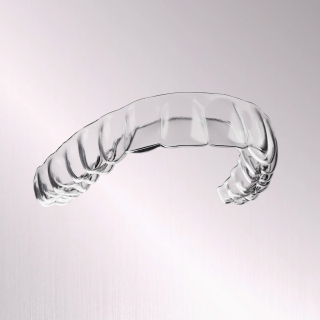
An aligner system isn’t just the plastic trays. It includes how each aligner is custom-designed, how tooth movement is planned from one stage to the next, and the clinical decisions that guide the process.
The real difference lies in how that system is built and managed:
- Treatment planning before you begin
- Ongoing monitoring throughout treatment
- Adjustments through aligner tracking and refinements
These elements directly affect tooth movement accuracy and overall clear aligner treatment results.
Without this level of planning and oversight, even well-made aligners can fall short.
Why Ongoing Guidance Changes Everything
Orthodontic care works best when it’s responsive. Your teeth don’t always follow a fixed plan, which is why orthodontic supervision cannot be overlooked.
With dentist supervised clear aligners, your progress is reviewed regularly. If something shifts off track, it’s corrected early. This helps maintain long-term alignment stability rather than just short-term visual improvement.
So when people ask, do at home aligners really work, the better question is whether they can deliver consistent, guided results. In most cases, they cannot.
A More Balanced Approach to Straightening Your Smile
For patients who want flexibility without compromising care, systems like OrthoFX Aligners are designed to offer both.
- Designed to be worn for at least 12 hours a day*
- Made to apply gentle, steady pressure**
- Easier to fit into your daily routine
- Still part of a doctor-guided treatment plan
FXClear Aligners:
- Crafted with smooth, scalloped edges for a more comfortable fit
- Nearly invisible in daily wear
- Resistant to staining, helping them stay clear over time**
- Designed for a consistent 22-hour wear routine
- Designed to help teeth appear whiter and brighter during treatment**
- Scalloped edges for enhanced comfort and fit
- Fits easily into your daily routine
Both options are built to fit into your life while keeping your treatment on track.
Staying Connected to Your Treatment Without Being in the Clinic
Convenience doesn’t have to mean doing it alone.
With FXOnTrack, if your doctor provides it, your progress can be followed through remote orthodontic monitoring. You can also ask your doctor if this option is available for your treatment. It allows you to stay on track even when you’re traveling or managing a busy schedule.
This approach:
- Reduces the need for frequent in-office visits
- Keeps your treatment aligned with your plan
- Allows timely input when adjustments are needed
So instead of choosing between convenience and care, you’re supported throughout.
What This Means for Your Smile in the Long Run
When comparing at-home clear aligners to doctor-supervised treatment, it’s easy to focus on convenience and accessibility. But orthodontic treatment is about more than just getting from point A to point B.
It’s about achieving a healthy, lasting result while minimizing potential complications along the way. Without proper oversight, the risks can outweigh the benefits. Well-guided treatment doesn’t just improve the appearance of your smile. It helps ensure your results are stable, functional, and built to last.
FAQs
Q. Do at-home aligners work for everyone? A. No. They’re usually limited to very minor cases like slight spacing or crowding. More complex issues, especially involving bite or alignment, require professional evaluation and guidance.
Q. Are at-home kits safe? A. They can carry risks without supervision. Since progress isn’t closely monitored, issues like incorrect movement or discomfort may go unnoticed until they become harder to fix.
Q. Why is monitoring important? A. Teeth don’t always move exactly as planned. Monitoring allows adjustments along the way, helping keep treatment on track and preventing small issues from escalating.
Q. Are professional aligners less convenient? A. Not necessarily. With options like remote monitoring, if your doctor provides it or you ask about it, treatment can stay flexible without losing guidance.
Q. What makes OrthoFX Aligner Systems different? A. OrthoFX Aligner Systems combine a comfortable, nearly invisible design with a doctor-guided approach, helping ensure treatment stays controlled while fitting into your daily routine.
If you’re thinking about straightening your teeth, find a doctor near you to talk about OrthoFX Aligners and ask how FXOnTrack can help you stay on track without disrupting your routine.
Conclusion
At-home kits simplify the process, but they also remove the part that keeps treatment controlled. Straightening your teeth is a journey that changes over time. Without guidance, it’s easy for things to go off track. With systems like AirFlex and FXClear and support from FXOnTrack, you’re not choosing between convenience and care. You’re getting both, in a way that’s built to last.
Footnotes:
*AirFlex Aligners are the first and only FDA-approved clear aligners designed for at least 12 hours of continuous daily wear or as instructed by your doctor. *FDA-cleared for at least 12 hours of daily wear. **Data on file.


