



Key Takeaways
- Clear aligners for overbite correct bite issues through planned, step-by-step tooth movement
- Treatment focuses on improving how upper and lower teeth meet
- Attachments and aligner design guide precise bite alignment improvement
- Consistency in wear is critical for results
- Modern systems can handle a wide range of overbite cases
An overbite is when the upper front teeth overlap the lower teeth more than they should. While a slight overlap is normal, a more noticeable overbite can affect both the appearance and function of your smile.
Depending on the severity, it can put extra pressure on certain teeth, affect bite alignment, and sometimes make everyday things like chewing feel uncomfortable.
If you’re exploring ways to fix an overbite, clear aligners offer a more flexible alternative to traditional braces.
Options like OrthoFX use gradual, controlled tooth movement to improve both alignment and bite over time, helping you work toward a healthier, more comfortable smile without the feel of traditional brackets and wires.
What This Blog Covers
- How do clear aligners fix an overbite step by step
- What actually needs to change to correct your bite
- What to expect during treatment
- How OrthoFX systems support better results
Clear aligners fix an overbite by gradually repositioning teeth and improving how the upper and lower arches meet. Through a planned sequence of aligners, clear aligner overbite treatment corrects both tooth position and bite alignment over time.
Step 1: Understanding What Needs to Change
Before anything moves, there has to be clarity on what’s actually wrong.
An overbite is not just about front teeth overlapping. It’s about how your entire bite is structured and how forces are distributed when you close your mouth.
To fix it, treatment focuses on:
- Reducing excessive overlap
- Adjusting tooth position and angles
- Improving how upper and lower teeth meet
- This foundation is what makes the rest of the process effective.
Step 2: Mapping Your Bite Digitally
Before treatment begins, your teeth are scanned to create a precise digital model.
This model allows your orthodontist to plan every stage of movement in advance.
Instead of guessing, the entire aligner bite correction process is mapped out. You can actually see how your bite will shift over time, step by step.
Step 3: Moving Teeth in Controlled Stages
You’ll wear a series of aligners, each designed to make small, controlled changes.
Every new set continues the movement from the last. Over time, this creates steady bite alignment improvement.
This gradual approach is what makes correcting overbite with clear aligners both predictable and effective.
Step 4: Using Attachments for Precision
In many cases, small attachments are placed on your teeth. They help aligners apply the right amount of force in the right direction.
Attachments are especially important when adjusting bite position, not just tooth alignment. They play a key role in making clear aligner overbite treatment more precise.
Step 5: Creating Space for Bite Correction
Sometimes, fixing an overbite requires creating space.
This can involve minor adjustments like reshaping enamel or guiding teeth into better positions over time.
Aligners allow this to happen gradually, while avoiding the brackets and wires that many people find uncomfortable with traditional braces.
Step 6: Staying Consistent With Wear
Aligners only work when they are worn as prescribed.
Consistency is what turns the treatment plan into actual results.
Traditional aligner systems are typically worn throughout the day and night, with removal only during meals and brushing. In many cases, around 22 hours of daily wear is recommended to keep treatment progressing as planned.
Step 7: Refining the Final Bite
As treatment progresses, small refinements are made to ensure your bite feels natural and balanced.
This stage focuses on detail. It ensures your teeth not only look aligned, but function properly together.
This is where overbite aligner results become fully visible.
Where OrthoFX Fits Into This Process
Once your treatment plan is mapped out, the aligner system itself can make a big difference in how manageable the process feels day to day.
OrthoFX offers different aligner options depending on what matters most to you during treatment, whether that’s flexibility, comfort, or aesthetics.
-
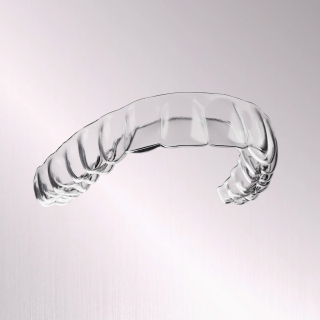
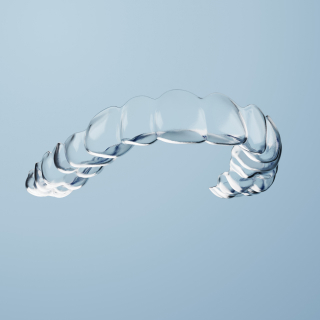
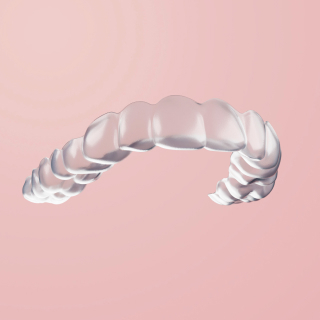
AirFlex™ Aligners are designed for flexibility, with 50% less daily wear time.* They are FDA-cleared for at least 12 hours of continuous daily wear, which can make treatment feel easier to keep up with for people who struggle with traditional full-day wear schedules.
-
FXClear™ Aligners focus on precision and comfort. They are designed with a smooth, close fit, stain-resistant material, and scalloped edges that sit more naturally along the gumline to help reduce unnecessary irritation.
-
FXBright™ Aligners offer the same comfortable fit while using a translucent material that gives teeth a brighter appearance during treatment, helping many patients feel more confident throughout the process.
Each of these systems is designed to support a different treatment experience, while still working toward the same goal: improving bite alignment in a way that feels easier to manage in everyday life.
What This Means for Everyday Life
One of the biggest advantages of aligners is how they fit into your day.
You can remove them when eating. You can brush and floss normally. There are fewer interruptions.
Compared to traditional methods, overbite correction without braces feels less restrictive, which makes it easier to stay consistent over time.
FAQs Section
Q. How do clear aligners fix an overbite? A. They gradually move teeth and adjust how the upper and lower arches meet using a series of custom trays.
Q. How long does it take to fix an overbite? A. The timeline varies, but most clear aligners treatment timeline ranges from several months to a couple of years.
Q. Do aligners move the jaw or just teeth? A. They primarily move teeth, but this movement improves how the bite comes together.
Q. Are attachments always needed? A. Not always, but they are often used to improve precision during the aligner bite correction process.
Q. Are aligners comfortable? A. Most people find them more comfortable than braces due to the absence of metal components.
If you’re looking to fix your overbite, ask your doctor about OrthoFX aligners or take the Smile Quiz to explore your options.
Conclusion
Fixing an overbite is not something that happens overnight. It’s a gradual process that depends on consistent, well-planned tooth movement over time.
Clear aligners make that process feel more flexible and less disruptive than many people expect, while still working toward meaningful improvements in both alignment and bite.
And because treatment is something you live with every day, comfort and consistency matter just as much as the final result.
With options like OrthoFX, the focus is not only on correcting your overbite, but on making the journey feel easier to stay committed to from start to finish.
Footnotes:
*AirFlex Aligners are the only FDA-cleared aligner system for at least 12-hours of continuous daily wear or as recommended by your doctor.


