



Key Takeaways
- Clear aligners create pressure, which is necessary for movement, but should not feel sharp or overwhelming.
- Most pain comes from aligners that apply excessive force on Day 1 and lose pressure by Day 7.
- OrthoFX aligners apply consistent, optimal force throughout the week for a more comfortable experience.
- A gentle, steady force is better for both comfort and predictable tooth movement.
- Minor tenderness during tray changes is normal and usually fades within 1 to 2 days.
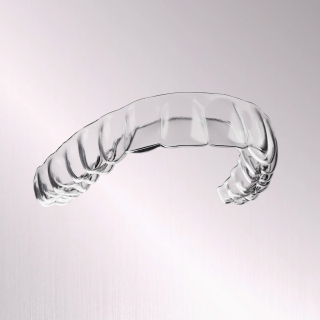
The first thing most people notice during aligner treatment isn’t how the trays look, but how they feel. Clear aligners are designed to apply incremental pressure that gradually moves teeth into alignment. That subtle change in pressure is what drives tooth movement, but it often raises the question: Do clear aligners hurt?
The answer has far less to do with your pain tolerance and much more to do with how the aligners are designed.
Think of tooth movement like training a muscle. Gradual, controlled force allows it to adapt. Sudden or excessive force causes resistance. That difference—the gentle nudge versus the sharp jolt—is one of the main reasons some patients reach for a pain reliever during weekly tray changes.
The goal of aligner therapy isn’t zero pressure. Zero pressure means zero movement. The goal is optimal pressure: enough force to guide teeth effectively without overwhelming them. What many patients don’t realize is that older, legacy aligner designs often forced a compromise between movement and comfort.
Advances in modern aligner design now allow teeth to move as planned using gentler, more consistent forces, resulting in effective treatment with less discomfort for patients.
What This Blog Covers
- Why aligners create pressure
- Where pain actually comes from
- How force levels differ between brands
- Why OrthoFX feels more comfortable
- Simple ways to reduce tenderness
Clear aligners can cause mild pressure or tenderness, especially when switching to a new tray, but they should not feel sharply painful. Most discomfort comes from aligners that apply too much force at the beginning of the week and almost none by the end.
Where the Pain Actually Comes From?
Every time you switch to a new set of aligners, the tray fits a little tighter. That tightness is what starts moving your teeth. So yes, some pressure is normal. But sharp, sudden pressure is not. That usually happens when an aligner delivers too much force at the start.
This is common with many traditional aligners where Day 1 feels like your teeth are being tackled, Day 3 feels tolerable, and Day 7 feels like nothing is happening at all. The force spikes early, drops quickly, and leaves you in a cycle that feels painful at the beginning and unproductive at the end.
Which brings us to the real difference.
Why OrthoFX Aligners Feel Different Week to Week?
OrthoFX aligners are built on a very different idea. Instead of one huge force push on Day 1 followed by almost no pressure on Day 7*, the material is engineered to deliver consistent, optimal force throughout the full week.
Gentle enough to avoid unnecessary pain.Strong enough to keep your teeth moving every single day.
Traditional aligners can apply up to 8.4 times more force right at the start. That is where the pain spikes come from. AirFlex, on the other hand, stays close to the typical optimal orthodontic force zone. This is the range your teeth respond to best.*
It is the difference between being shoved into movement and being guided into it.
How Do Gentle Forces Translate Into Real Comfort?
When you apply consistent, biologically appropriate force, you avoid the cycle of:
- Day 1 discomfort
- Day 2 sensitivity
- Day 5 confusion about whether your aligners are even doing anything
- Day 7 zero force
With OrthoFX, the experience is more balanced. You feel a light, meaningful pressure each day, not a painful peak followed by a flat line. Because the force never drops off, your teeth do not get a chance to stall. That means better movement, fewer surprises, and far less “why does my aligner hurt one tooth so much” moments.
Most patients describe the switch to a new tray as a “tight feeling” rather than pain. And that tightness typically fades in a day or two as the mouth adjusts.
So, Do Aligners Hurt More Than Braces?
Aligners often feel gentler because they’re made from smooth, flexible materials and don’t involve metal brackets or wires rubbing against the mouth. Both aligners and braces are precise treatment tools, and the best option always depends on your specific treatment needs.
With aligner treatment, you should expect pressure, not pain. And that pressure should be steady, not aggressive.
Small Adjustments That Reduce Discomfort Even More
If you ever feel tenderness during the first day of a new tray, these small adjustments help the transition:
- Eat soft food for the first meal
- Use a cold compress
- Switch aligners at night so most of the adjustment happens while you sleep
- Gently bite on seating tools
- Use orthodontic wax if a tray edge feels sharp
- Brush and floss before wearing aligners so there is no added gum irritation
The key is not avoiding pressure. It is helping your mouth settle into it.
FAQs
Q. How much do clear aligners hurt? A. Most people feel pressure when switching trays. With many traditional aligners, the first day can feel sore because the force is strongest at the start. OrthoFX AirFlex™ aligners apply gentler, more consistent pressure, which may be smoother and easier to adjust to.
Q. Do aligners hurt more than braces? A. It depends on the case. Aligners avoid cuts, brackets, and wires, so the discomfort is often gentler and more pressure-based.
Q. Why do some trays hurt more than others? A. High Day 1 force can cause strong tenderness. Brands with consistent force, like OrthoFX, tend to feel more comfortable.
Q. Does clear aligner teeth straightening hurt the first day? A. A tight feeling is normal during the initial adjustment, but should not feel unbearable.
Q. Why does only one tooth hurt sometimes? A. A single tooth may be moving more during that tray stage. The pressure typically settles within a day or two.
Find an OrthoFX doctor near you who can map out your treatment and help you choose the aligner that fits your comfort level and lifestyle.
Conclusion
If you’re worried about pain, look for an aligner system that works by using steady, gentle pressure each day.
Most discomfort comes from excessive Day 1 force. OrthoFX eliminates that by delivering the ideal level of pressure consistently across the entire week, not packing it into the first 24 hours. The result is a much more comfortable experience without sacrificing movement


