


Key Takeaways
- An overbite occurs when the upper front teeth significantly overlap the lower teeth, a common problem often referred to as a "deep bite."
- When the lower teeth extend beyond the upper front teeth, it creates a misaligned bite known as an underbite.
- Both are common bite patterns impacting your appearance and also become a health concern when they affect comfort, chewing, or oral health.
- Many mild to moderate bite issues can be corrected with clear aligners.
- Orthofx offers flexible aligner options for lifestyle-friendly bite correction.
Bite changes usually happen slowly over time. You might notice uneven wear on your teeth, sensitivity in certain areas, or that your teeth don’t fit together the way they used to. Sometimes it shows up in a side-profile photo, or even while brushing, when you realize your upper and lower teeth appear out of synch. That’s usually the start of the overbite vs underbite curiosity spiral.
The important part to know is this: bite patterns like these are common, and they’re not random. Once you understand what your bite is doing and why, you can make informed decisions about comfort, function, and long-term oral health instead of guessing or ignoring it.
What This Blog Covers
- What an overbite and underbite actually are
- How each one changes your facial appearance
- Overbite vs underbite—which is worse
- How modern treatments (including aligners) help
- When surgery is or isn’t needed
An overbite occurs when the upper front teeth significantly overlap the lower teeth, a common form of misalignment often referred to as a deep bite. An underbite happens when the lower jaw moves forward and the bottom teeth extend beyond the upper front teeth. Both are types of bite misalignment and usually develop over time due to natural jaw growth patterns, habits, or genetics.
The Moment You Realize Your Teeth Don't Meet in the Middle
Here’s the simplest way to think about it.
Your bite is the way your upper and lower teeth greet each other. Ideally, they meet like two calm, collected friends. But sometimes, one leans forward too much, sometimes the other pushes ahead, and sometimes they’re both slightly off in their own unique ways.
- An overbite is when the upper front teeth significantly overlap the lower teeth, sometimes even completely covering them.
- An underbite is when your lower jaw steps forward and the bottom teeth overlap the top.
That’s it; not scary, not complicated. They’re just two versions of how your jaw alignment can become misaligned because of genetics, childhood habits like thumb sucking, growth patterns, or the way your upper jaw and lower jaw naturally develop.
What matters more than the label is what it feels like: chewing comfortably, speaking clearly, avoiding unnecessary jaw pain, maintaining long-term oral health, and feeling confident about how your smile looks.
How These Bites Look, and Why That Photo Made You Notice
Both overbites and underbites subtly shape your facial balance and your smile, which is why people often notice them in pictures rather than in the mirror.
Overbite
- Soft jawline
- Upper lip slightly forward
- A smile where the top teeth take the spotlight
Underbite vibes
- Stronger chin
- Sharper lower face
- Bottom teeth stepping up like the main character
These aren’t random imperfections. They’re often the result of how your teeth and jaw developed, sometimes even traits that run in families. Understanding these patterns helps you decide what you want from your bite and your smile long-term.
If You’re Wondering “Which Is Worse?” You’re Asking the Wrong Question
Neither an overbite nor an underbite is inherently worse. What matters is the severity, the underlying skeletal or dental cause, and how it affects function, esthetics, and long-term oral health.
Both types can lead to little issues over time - uneven wear, difficulty biting into certain foods, or a higher risk of tooth problems like enamel wear or gum irritation. Some underbites can be more tied to bone structure, while some overbites can cause more pressure on the front teeth.
It all depends on your unique anatomy.
How Overbite and Underbite Get Fixed Today - Without the Drama
Years ago, the moment you noticed a bite issue, your mind went straight to braces or even jaw surgery for severe underbites. Today, bite correction has many flexible and comfortable options.
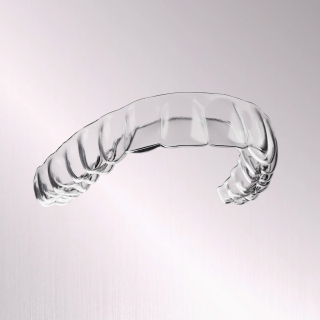
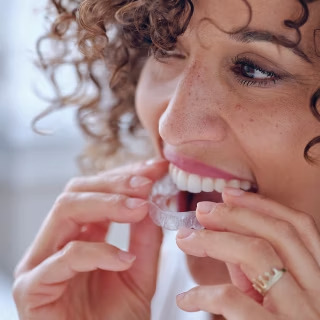
Modern clear aligners can correct mild, moderate, and even severe bite issues by guiding teeth into healthier alignment without disrupting your day-to-day life.
This is where OrthoFX comes in:
-
AirFlex™ Aligners are ideal if you want more flexibility in your day. They’re the only FDA-cleared aligners that allow up to 50% less daily wear time* or as recommended by your doctor, making treatment easier to fit around a busy, real-world schedule.
-
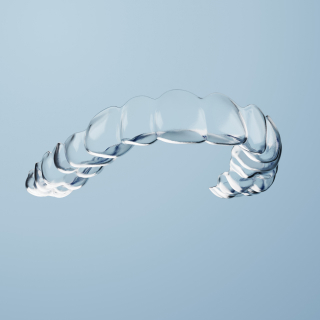
FXClear™ Aligners offer a comfortable, virtually invisible, precise-fit aligner experience and are OrthoFX’s most budget-friendly option. They’re designed for patients who want a familiar clear aligner routine, without compromising on fit or comfort.
-
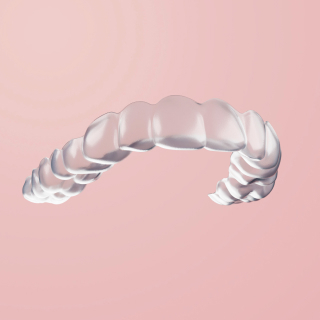
FXBright™ Aligners give the appearance of a whiter brighter smile during treatment because of its translucent material, while offering a comfortable fit with scalloped edges.
Some cases still need tools like elastics or a palatal expander, and severe skeletal-related underbites may require surgery. But most people fall somewhere in the middle, where aligners and a smart treatment plan do the job. When aligners are prescribed with a clear strategy, proper monitoring, and the right sequencing, they can address alignment, function, and aesthetics together. The goal isn’t just straighter teeth. It’s a bite that works comfortably, looks balanced, and holds up long-term.
FAQs
Q. Is an overbite or underbite more common? A. Overbites are slightly more common, but both are regular variations in how jaws develop.
Q. How do I know if I have overbite or underbite? A. Check your natural smile in the mirror. A slight overlap is normal, but if your upper teeth extend significantly over your lower teeth, it’s an overbite; if your lower teeth sit ahead of the upper teeth, it’s an underbite.
Q. Can an overbite be fixed by clear aligners? A. Yes, many dental overbites can be corrected with aligners. Only severe skeletal underbites require surgery.
Q. Does fixing a bite change your face? A. It can. Correcting alignment often improves facial balance and profile, especially around the chin and jawline.
Q. How long does bite correction take with aligners? A. Mild cases may take 6–12 months; moderate ones take longer depending on jaw position and movement needed.
Q. Do overbites get worse with age? A. If uncorrected, they can progress due to enamel wear or shifting teeth.
Ready to get clear aligners to fix your bite? Find a doctor near you and start your journey toward a straighter and more confident smile.
Conclusion
If you’ve started noticing your bite, you’re already ahead of most people. That curiosity usually means you’re ready to understand what your smile is doing and why.
Overbites and underbites don’t define you, they’re just alignment patterns that can be changed more comfortably than ever. And when you choose to fix them, aligners like
Orthofx blend into your routine so naturally that the process barely feels like a process. The real goal is simple: a bite that supports your smile, not one that works against it.
Footnotes: *AirFlex Aligners are the first and only FDA-approved clear aligners designed for at least 9-12 hours of continuous daily wear or as instructed by your doctor.


