Key Takeaways
- Treatment speed depends on planning, biology, and wear consistency, not just the appliance.
- Clear aligners and braces can both treat simple and complex orthodontic cases.
- Aligners may feel faster because they integrate more easily into daily life.
- Patient compliance plays a major role in how long treatment takes.
- OrthoFX offers multiple aligner options designed to support predictable, lifestyle-friendly treatment timelines.
When people ask whether clear aligners are faster than braces, they’re usually asking something more practical:
How long will this actually take, and how much will it disrupt my life?
The short answer is that neither braces nor aligners are inherently faster. Both can achieve excellent results, including complex corrections. What determines speed is how your treatment is planned, how your teeth respond biologically, and how closely the plan is followed. This guide breaks down where timelines really come from, without oversimplifying the answer.
What This Blog Covers
- What actually determines orthodontic treatment speed
- How aligners and braces approach tooth movement
- Why some treatments feel faster than others
- How patient compliance affects timelines
- Where OrthoFX aligners fit into modern treatment planning
Clear aligners are not universally faster than braces, and braces are not inherently slower. Both systems can treat a full range of orthodontic cases. Treatment speed depends on case complexity, biological response, treatment design, and how consistently the plan is followed.
Why Do Orthodontic Timelines Vary So Much?
Teeth do not move on a schedule. They move through biological remodeling of bone and tissue, which varies from person to person.* Several factors influence how long treatment takes:
- Bone density and age
- Tooth root shape and position
- Bite relationships and jaw mechanics
- Gum and oral health
- How consistently appliances are worn
Two patients using different appliances can finish at the same time. Two patients using the same appliance can finish months apart. Speed is the result of planning and biology working together.
Aligners vs. Braces: Different Approaches, Same Goal
Both aligners and braces can correct crowding, spacing, bite issues, and complex alignment challenges. The difference isn’t what they can treat, but how they deliver force and how that force behaves over time.
With braces, wires apply force continuously, but they can become passive between adjustments, meaning they lose activity until your doctor tightens or changes them. Aligners can also become passive. However, OrthoFX aligners are designed to maintain sustained, biologically optimal force for longer periods, helping keep movement active and consistent throughout each stage.
This doesn’t automatically make one system faster than the other. In some types of tooth movements, aligners may be more efficient. In others, braces may move certain teeth more quickly. The timeline often depends on the specific movements required, the biology of your teeth and bone, and the experience of the doctor designing your treatment.
When treatment is carefully planned and aligners are worn as prescribed, modern systems like OrthoFX can manage complex movements effectively. The real driver of speed and results isn’t just the appliance. It’s the combination of smart design, sustained force, experienced clinical oversight and adherence to the recommended weartime.
Why Do Aligners Sometimes Feel Faster?
Many patients report that aligner treatment feels faster, even when timelines are similar. That perception usually comes from personal experience, not mechanics.
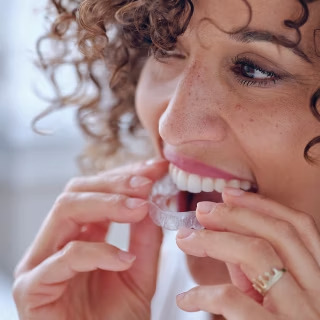
Aligners are removable, easier to clean, and fit into daily routines without frequent adjustments. There are no wires to adjust or brackets that can break manage. Progress happens quietly, without constant reminders that treatment is underway.
That smoother day-to-day experience can make time feel shorter, even when the biological process is the same.
The Role of Patient Compliance
One of the biggest factors in treatment speed is patient compliance.
Aligners require consistent wear to deliver planned movement. Skipping wear time slows progress, regardless of how advanced the system is. Braces remove this variable because they are fixed, but they come with different lifestyle trade-offs.
When aligners are worn as prescribed, treatment stays on track. When they are not, timelines extend. This is true across all aligner systems.
The OrthoFX Approach to Treatment Timelines
Tooth movement follows biological rules. You can’t rush bone remodeling, and you can’t shortcut healing. What you can do is design aligners that work in concert with those biological processes instead of fighting them.
OrthoFX systems are built around sustained, biologically optimal forces that stay active longer, helping support steady movement throughout each stage.
That’s where the lineup fits in:
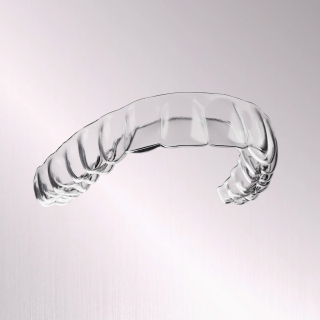
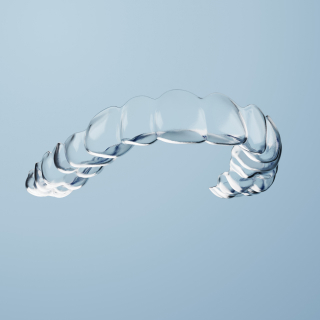
- AirFlex™ Aligners allow 50% reduced daily wear time** without disconnecting from treatment progress. When life makes full-day wear difficult, flexibility helps patients stay consistent, which protects timelines.
- FXClear™ Aligners follow a traditional daily wear schedule with a focus on comfort and precise fit, supporting controlled movement from one stage to the next.
- FXBright™ Aligners deliver the same planned movement, using a translucent material that gives teeth the appearance of being brighter and whiter during treatment.
The goal isn’t to claim faster treatment. It’s to support predictable timelines by combining biology, material science, and patient consistency. When those three align, progress tends to follow.
FAQs
Q. Are clear aligners faster than braces? A. Sometimes they can feel faster, but not because they move teeth differently. Aligners often fit more easily into daily life, which helps patients stay consistent with wear. That consistency can make progress feel smoother, even when overall timelines are similar.
Q. Which is more effective, aligners or braces? A. Both are effective for all types of misalignments. However, the results will depend on treatment design, monitoring, and patient follow-through, not the appliance alone.
Q. Are braces better for complicated cases? A. Not inherently. Modern clear aligners can treat complex cases when properly planned and supervised.
Q. What affects how long a treatment option takes? A. Treatment time depends on your specific case. Factors such as the type and degree of tooth movement, oral health, and individual biology all play a role. With aligners, both the system’s performance and how consistently they are worn affect overall treatment duration.
Q. Are aligners cheaper than braces? A. Not always. The cost depends on your case, location, and provider. In many situations, clear aligners and braces are similarly priced, and the right option comes down to treatment needs rather than cost.
Q. Do OrthoFX aligners work faster than others? A. While treatment timelines always depend on case complexity and consistency, OrthoFX aligners are engineered to deliver sustained optimal force and support efficient treatment monitoring. In some cases, this design may help streamline progress, though individual results will vary.
Take our quick Smile Quiz to see whether aligner treatment fits your goals and your lifestyle.
Conclusion
So, are clear aligners faster than braces?
Not inherently. Both can treat simple and complex cases. The difference lies in how force is delivered and how it behaves over time. In some movements, aligners may be more efficient. In others, braces may move teeth more quickly.
What truly affects speed is treatment design, doctor experience, your biology, and how consistently the plan is followed. The best option is the one that delivers stable results and fits your life.
Footnotes: *https://pmc.ncbi.nlm.nih.gov/articles/PMC6117289/ **AirFlex Aligners are the first and only FDA-approved clear aligners designed for at least 9-12 hours of continuous daily wear or as instructed by your doctor.

