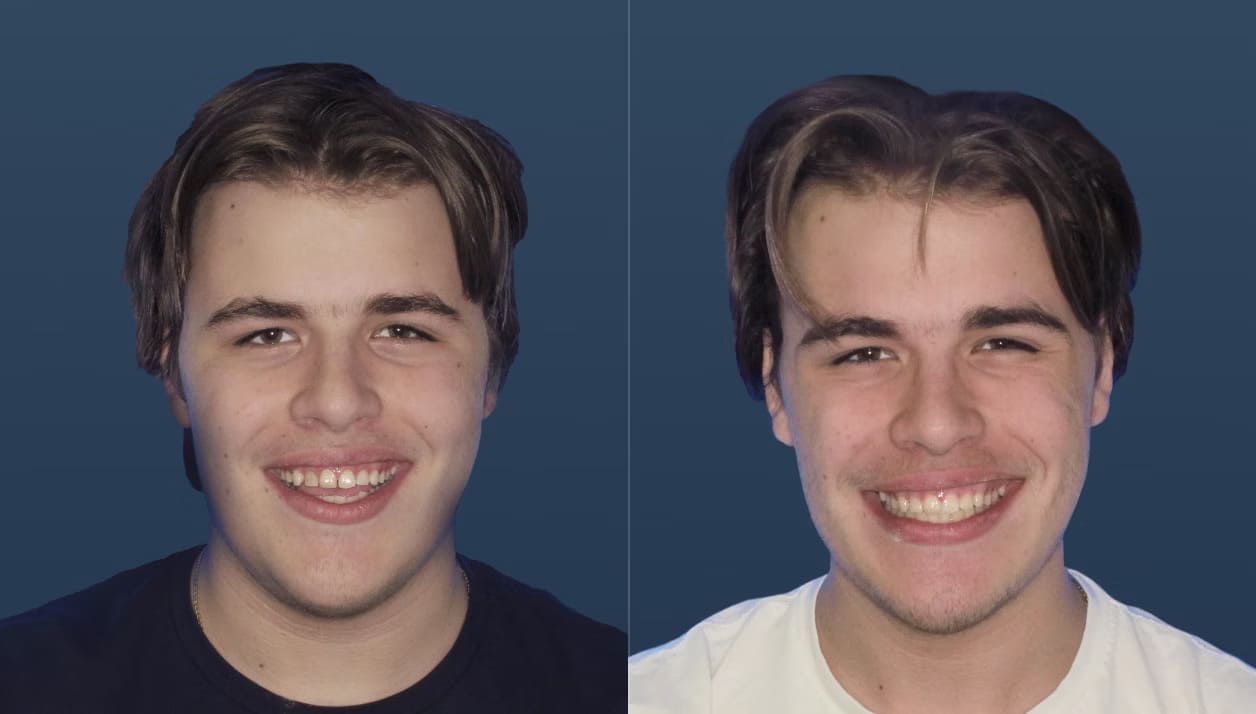
Smile results,
get ready for yours!
Gap teeth, also known as diastema, refer to visible spaces between two or more teeth, most commonly between the upper front teeth. Whether it’s a minor cosmetic concern or a sign of an underlying dental issue, gap teeth are one of the most treatable alignment conditions with modern orthodontic options like clear aligners for gap teeth.
If spacing between your teeth is something you’ve always noticed, it might be time to look into the cause and explore solutions that can help you close the gap — both for appearance and oral health.
What Causes Gap Teeth?
There are several reasons why gaps between teeth can develop, and understanding the root cause can help determine the right course of treatment. Common causes include:
Gap Teeth: Should You Be Concerned?
While gap teeth aren’t inherently dangerous, they may lead to:
If the gap between the front teeth is widening, recurring, or associated with discomfort, it's wise to consult a professional to assess your bite and jaw alignment.
Can Aligners Fix Gaps?
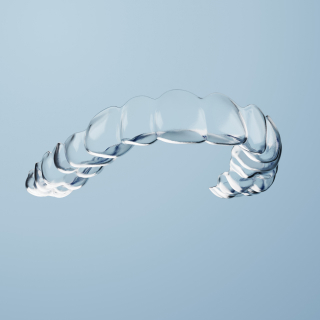
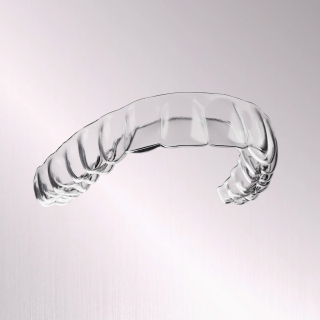
Absolutely. Aligners for gap teeth are a popular and effective treatment for closing mild to moderate spacing. At OrthoFX, our teeth gap aligners are engineered to gently guide your teeth into properly aligned positions without the use of wires or brackets.
Best Aligners for Gap Teeth: Why Choose OrthoFX?
If you're looking for the best treatment for teeth spacing, OrthoFX stands out for multiple reasons:
OrthoFX offers invisible aligners for gaps that close spaces effectively while improving your overall oral hygiene.
How Do Aligners Close Gaps?
Here’s how clear aligners for gap teeth work:
OrthoFX aligners use precise, calculated pressure to move teeth gently, making treatment more comfortable for adults and teens throughout daily wear.
Common Questions About Treating Gap Teeth
Yes, with proper use and post-treatment retainers, clear aligners can lead to long-term results. Retainers help ensure your teeth stay in their new position after treatment.
While aligners are best for mild to moderate gaps, larger spaces or complex bite issues might require a combination of orthodontic treatment techniques or even dental implants for best results.
In some cases, yes. Gaps from missing teeth can lead to shifting, poor oral hygiene, and even bone loss. It may also increase the risk of gum disease or affect the position of adult teeth as they erupt.
Gap Teeth in Children and Adults
Many children and adults experience spacing issues at different life stages. In kids, gaps are normal and resolve naturally as permanent teeth come in. However, if gaps persist or are due to habits like tongue thrusting, early intervention may be necessary.
In adults, orthodontic solutions like aligners for teeth gaps can effectively close spaces, restore symmetry, and support a healthier bite.
Understanding What Your Gap Teeth Are Telling You
Gap teeth may seem like a harmless cosmetic concern, but spacing can affect how your teeth function and how easily you can maintain oral hygiene. When gaps widen, recur, or appear alongside gum issues or shifting teeth, they can signal an underlying condition that needs attention.
The good news is that modern treatments make it easier than ever to close spaces, improve bite stability, and protect long-term oral health. If spacing is impacting your comfort, confidence, or daily function, a professional evaluation can help you understand the cause and choose the most effective path forward.
Paul
Gap Teeth