Smile results,
get ready for yours!
An underbite, also referred to as Class III malocclusion, can range from mild to severe and often worsens over time if left untreated. It is more than just a cosmetic issue, it’s a dental condition that can affect everything from chewing and speaking to your overall oral health. When the lower teeth extend beyond the upper front teeth, it creates a misaligned bite known as an underbite. Understanding what causes an underbite and exploring treatment options can help you make informed choices about correcting your smile.
How to fix an underbite
Treating an underbite starts with understanding its severity and underlying causes. The good news? You have options, ranging from traditional braces to clear aligners for underbite, and in some cases, surgery for more complex cases.
Can aligners fix underbite?
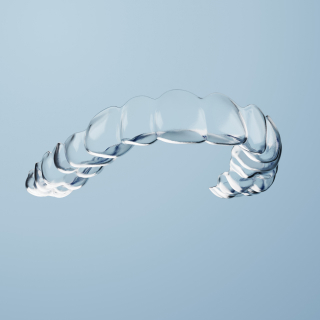
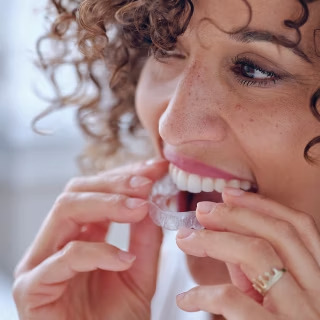
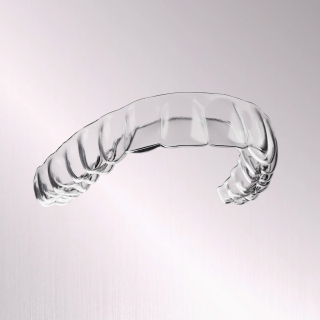
Absolutely. With advancements in orthodontics, underbite aligners have become a popular solution especially for mild to moderate cases. OrthoFX’s clear aligners are designed using innovative materials that gently move misaligned teeth into a healthier position. These aligners are nearly invisible and customized to fit your unique bite, making them a discreet and effective option.
Clear aligners for underbite vs. traditional treatment
In the past, underbite treatment often meant years of metal braces or even underbite surgery. Today, invisible aligners offer a less intrusive and more comfortable alternative.
Can clear aligners fix an underbite permanently?
When worn as prescribed, clear aligners can effectively correct certain types of underbites. Treatment is often most successful when started early, especially in growing patients. Adults can also see excellent results with modern aligner technology, depending on the type and severity of the underbite.
What causes an underbite?
You might develop an underbite due to:
These factors can lead to teeth and jaw imbalances, ultimately creating the appearance of an underbite and long-term complications.
Complications of an untreated underbite
Ignoring an underbite can lead to a number of oral health issues, such as:
Don’t wait for discomfort or embarrassment to worsen. Fixing an underbite not only improves your appearance but also enhances function and health.
Is underbite surgery necessary?
Surgery may be recommended for severe underbite cases that cannot be corrected through orthodontics alone. This procedure involves repositioning the jaw and requires recovery time. However, it's often reserved for extreme cases where aligners for underbite or braces aren't sufficient.
Underbite vs Overbite: What’s the difference?
While both are forms of malocclusion and may sound similar they are different conditions:
Both can be corrected with orthodontic treatment, but the approach varies depending on the bite type and severity.
Orthodontic intervention vs natural approaches
While there are some exercises and posture adjustments that can help in very mild cases, the most effective way to correct an underbite is through professional intervention. Attempting to fix an underbite naturally might temporarily relieve symptoms, but it won’t resolve the underlying dental condition.
A Healthier Bite, A More Confident Smile
Correcting an underbite isn’t just about how your smile looks. It’s about chewing comfortably, speaking clearly, protecting your teeth long-term, and feeling confident every time you smile. With the right guidance, improving your bite is not only possible, it’s a step toward better oral health and everyday comfort.
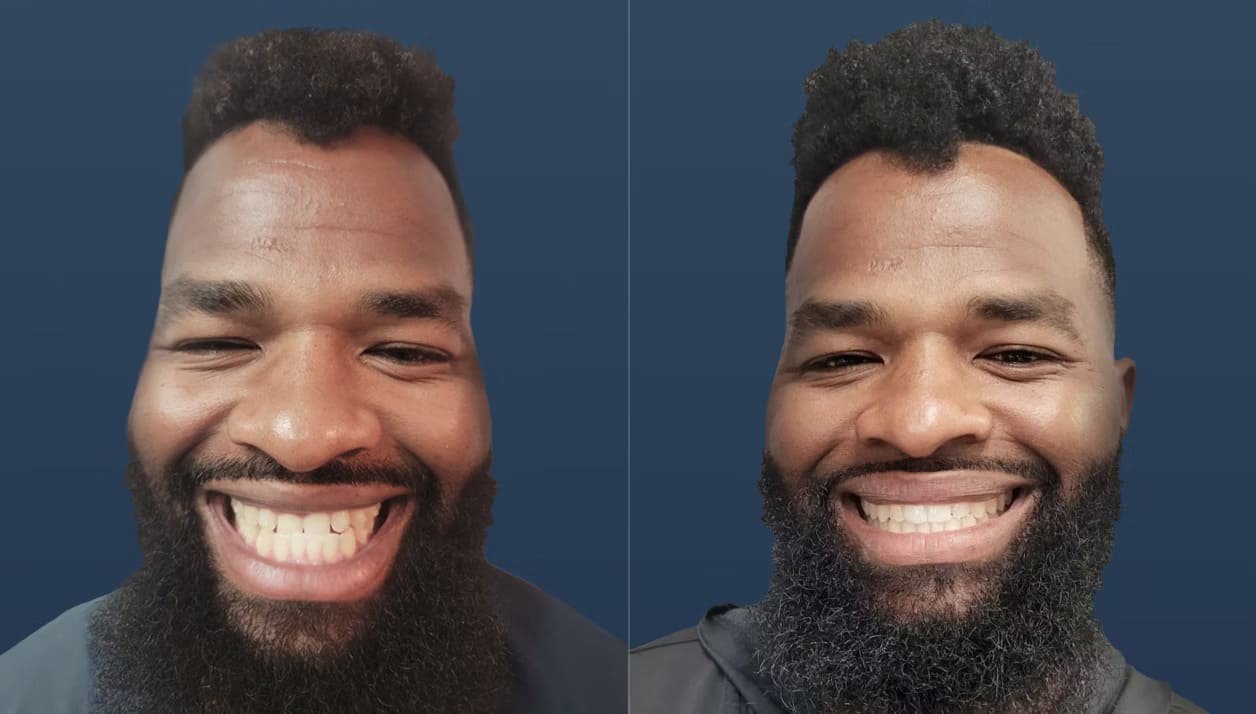
Martel
Underbite